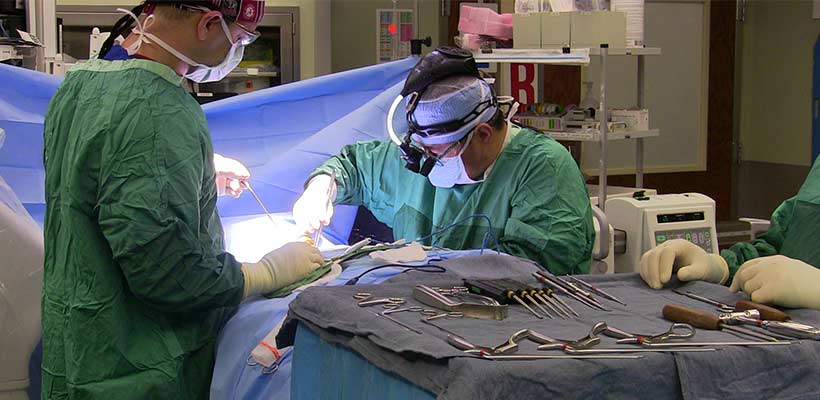
What Is Happening in the Operating Room?
So, you have decided to have surgery. You have been to your pre-op appointment and had the whole procedure explained. You explain it to your family by saying “they said it would only take an hour” so the day of surgery your family is freaking out because you’ve been in there two hours.
Let’s talk……
When we, as medical providers, talk to patient’s about surgery, we tend to only explain the time after the patient is asleep and before they wake up; the time the patient is with the surgeon. What families are not aware of are all the preparations that take place before the surgeon even steps in the room.
The room is prepared by the OR staff. All instruments are opened and arranged, the surgical table requested is brought into the room, all equipment is checked to be in good working order, and all emergency supplies are verified.
The surgical first assist oversees all of this, representing their surgeon. He or she makes sure all necessary films, supplies and staff are available for the case that was booked.
The patient is checked and marked by the surgeon and brought into the room. This is where the family is informed the patient is in the room and start noticing the actual time. Meanwhile in the operating room the patient is being put on a monitor, given oxygen and once stable, sedated and intubated. The patient is then put on a ventilator until the end of the surgery. They are monitored closely by anesthesia throughout the case.
Once the patient is asleep the surgical assistant and OR staff position the patient according to surgical protocol. This alone can often take up to 30 minutes. Once the patient is positioned, the OR staff scrubs and dons sterile gowns, gloves, and masks. The patient is then draped, x-ray is moved in, and the surgeon comes into the room. The surgeon then double checks the patient, the surgery, the anesthesia (medications), and the positioning of the patient. Generally, for most spine surgeries, the patient is now in the operating room for almost an hour.
When the case starts, the first thing the surgeon does, is verify the level of the spine that he/she is working on. This is generally done with a needle and x-ray. Once the level is verified the surgery begins.
After surgery is over, anesthesia backs off on the medication, makes sure the patient is able to breathe on their own, takes the patient off the ventilator and removes the breathing tube. The patient is put on oxygen and transferred to recovery room. This takes approximately 15-20 minutes after the surgeon leaves the room.
This scenario is for a spine patient under general anesthesia, but relates somehow to most types of surgery. Please ask your surgeon or assistant what the “total time in the OR will be” and plan accordingly. Your safety and peace of mind will always be our priority, but we want a calm, happy family also.
Last modified: December 11, 2020