Restrictions for an Injured Back
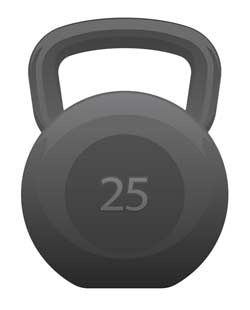
When you have back pain, recommendations include avoiding bending at the waist, and minimizing lifting of any objects more than 25 lbs.
How did these restrictions come about?
Let’s be frank. When your back hurts, you do not want to bend, or lift anyway. But, as you get better, people are asking for guidelines.
When you bend at the waist, the pure physics of that action makes your upper body go away from the center of your body. In a way, you are now multiplying the force experienced by the center of your spine.
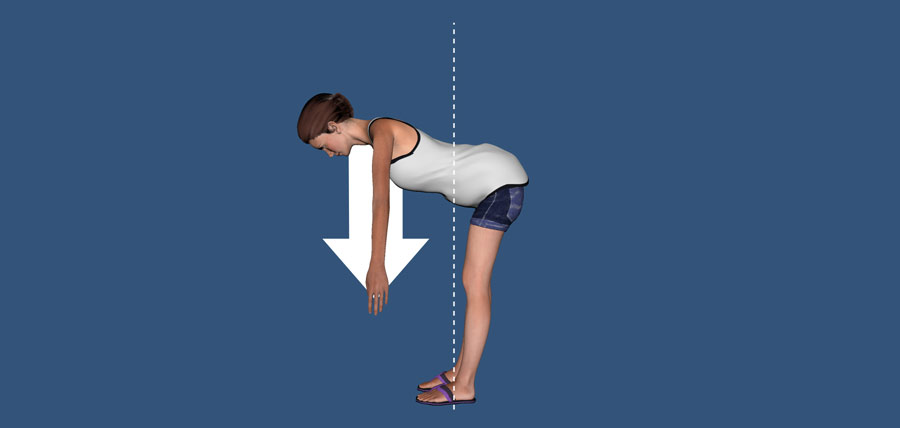
We all know that if you extend your arm with a weight, it will start feeling heavier than if you had the object closer to your body. When I was a child, I remember a punishment of lifting your arms forward and holding them in the air until it hurt.
In a way, by bending your back, you are doing the same thing. Your waist, and head are farther away from the center of gravity of your body, causing more stress on your back muscles, ligaments, and discs. IF these structures are hurting, the stress of the bend, or as in physics, the moment arm of force can increase the pain, and if you are in the process of healing, reinjure some parts of the back. Repetitive bending at the waist can cause increasing pain and stress. That is why when you have back pain, you should avoid repetitive bending at the waist.
In regards to avoiding lifting more than 25 lbs, the physics of bending are similar. If you must lift, bend at your knees and stabilize your back to lift.
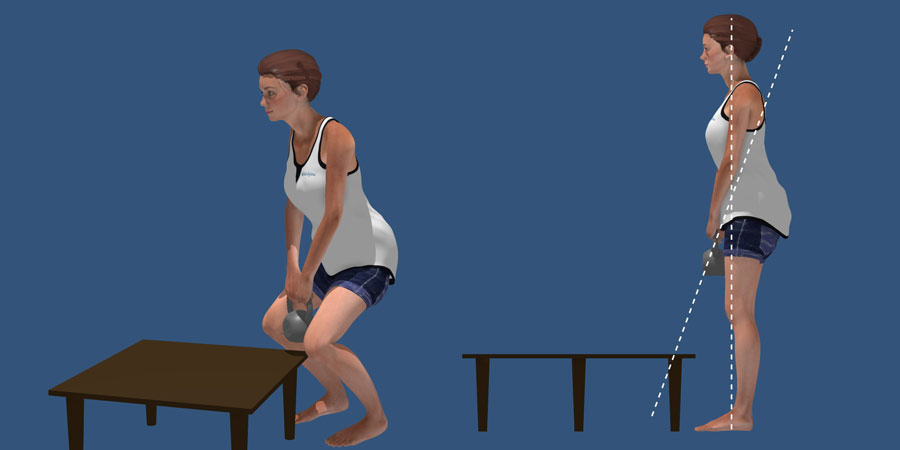
While difficult to do for every situation, it does reduce the stress on your spine, and allows you to at least lift through the middle of your body, or through your center of gravity.
Why 25 lbs? As I said before, when you have severe back pain, you do not even want to lift a piece of paper. As you gradually get better, most want some guidance, especially when considering going back to work.
In the United States, lifting objects up to 25 lbs allows many to return back to work in the light to medium level of capacity. I give these restrictions when people have pain so they protect themselves from lifting too heavy, too early. By limiting to 25 lbs, it allows most to safely start the process of lifting small objects, then gradually lift up to 25lbs.
Once the pain subsides, if you can lift 25lbs safely, without too much pain, then you can consider returning back to more weight.
Remember to lift by bending your knees, and keeping the weight closer to the middle of the body in the beginning.
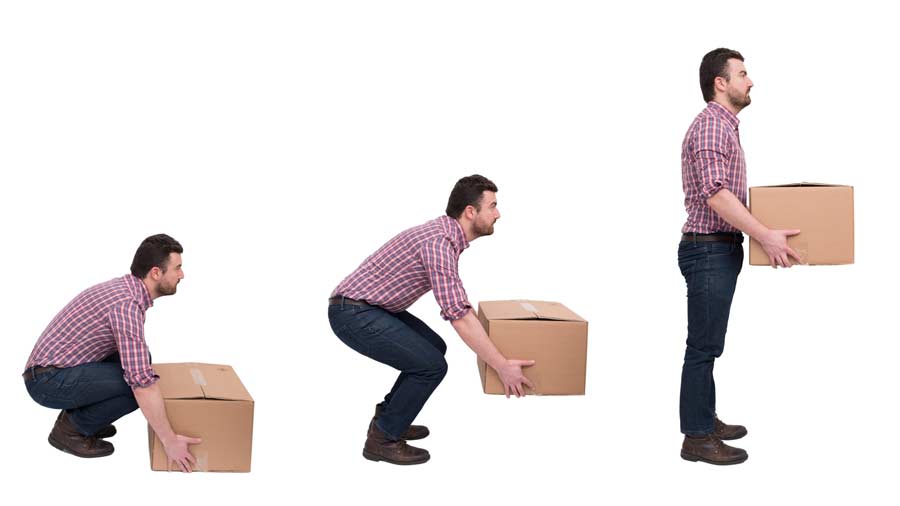
Just so everyone understands, the research into lifting and bending restrictions have not been robust. Like many medical recommendations, Doctors are giving information based on experience as well as community standards. I do not want to add any confusion, but the science behind these recommendations are still being debated.
Citations
- Gallagher S, Marras WS. Tolerance of the lumbar spine to shear: a review and recommended exposure limits. Clin Biomech (Bristol, Avon). 2012 Dec;27(10):973-8. PubMed PMID: 22967740
- Beach TAC, Stankovic T, Carnegie DR, Micay R, Frost DM. Using verbal instructions to influence lifting mechanics - Does the directive "lift with your legs, not your back" attenuate spinal flexion? J Electromyogr Kinesiol. 2018 Feb;38:1-6. PubMed PMID: 29107836
Last modified: August 25, 2020