Why do we blame your back for your leg pain?
Sciatica is one of the most common medical problems that take people to the doctor.
Though you hear the word frequently, most people don’t understand what causes it
and why we blame your back for that terrible pain in your leg.
Let’s talk…
.
In your low back (lumbar spine) the nerves start separating within the spinal cord
and go the bowel, the bladder and the legs. When there is an interruption or pressure
on these nerves, it can send pain, numbness or tingling to anywhere in the lower part
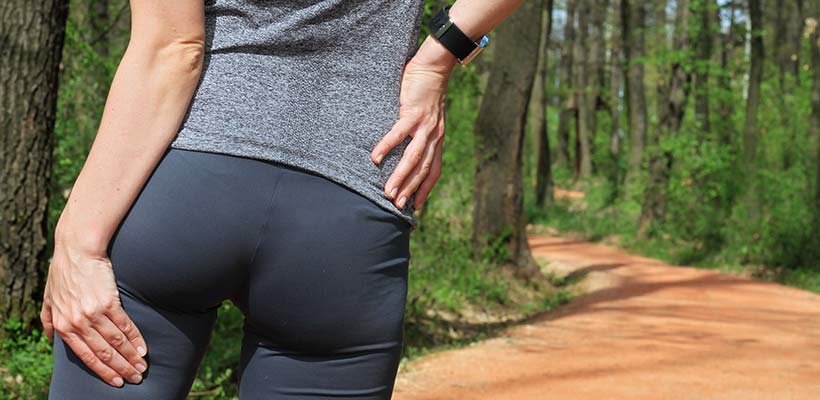
of the body. There is often no back pain with this, just shock like pain in the buttock or
the legs (usually one side or the other).
Sciatic pain is caused by pressure on one or more of the nerves leaving the spinal canal.
It can be a herniated disc. This is usually one sided and a sudden onset. Anything can
cause it from a sneeze to moving something heavy. The pain is often sharp and shock
like. There is usually numbness and tingling that follows the same route as the pain. We
can almost always pinpoint where the herniation is by following the “pain path”.
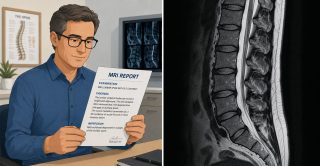
Another cause of sciatica is lumbar stenosis. This is a slower onset and is frequently in
both legs. It happens as the nerve openings in the spine (foramina) gradually narrow
over time. It can be made worse with constant “wear and tear” on the spine, previous
injury, or a family propensity towards to spinal stenosis. The pain is generally a dull ache
in the legs that gets worse with standing and walking, and is relieved by bending forward
or sitting down. If your back feels much better when you lean over a shopping cart,
there is a good chance you have spinal stenosis. It is often mistaken with vascular disease
so proper testing is needed for a definitive diagnosis.
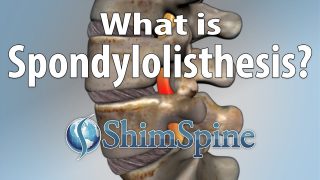
Spondylosthesis is another cause of Sciatica. This is often referred to as a “slipped disc”
but is actually an abnormal movement of vertebrae on vertebrae in the spine. As the
bones move out of normal line, either forward or backward, they catch the nerve and
send pain down the leg or legs. This pain is generally lessened by changes in position.
There are many treatments for Sciatica but they all have the same goal, to take pressure
off the nerves in the back. Non-surgical treatments should always be tried first unless
certain symptoms are present. If paralysis, bowel or bladder incontinence, sexual
dysfunction or drop foot are present, an immediate visit to the ER is recommended.
These are all symptoms of a serious nerve compression and should be dealt with very
quickly before these symptoms become permanent.
Non-surgical treatments include physical therapy, chiropractic care, and steroid injections.
Though every treatment has possible adverse effects, these are all proven to work in a
large number of people. Prevention is still the best. Strengthen your core, stretch
frequently, keep your weight down and don’t smoke.
Next week we will discuss surgery.
For more info please go to the education portion of ShimSpine.com, Dr. Shim’s blogs or email us.
We are happy to answer your questions.
Last modified: December 11, 2020