Disk Surgery
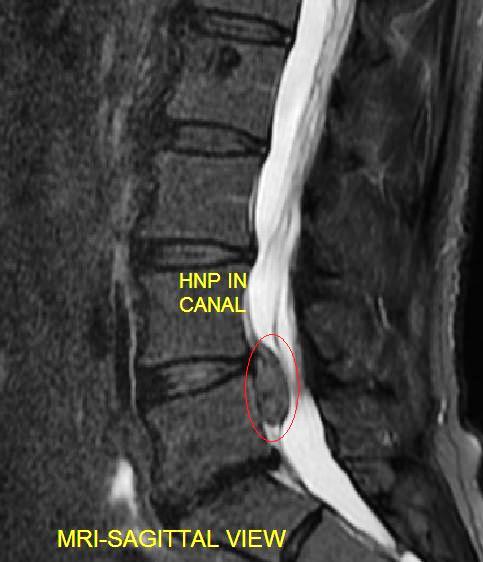
Have you been told you need Disk Surgery? Unfortunately, that is a common situation faced by many patients that suffer from back pain with radiating, shooting leg pain.
In extreme situations, such as severe weakness, or loss of control of bowel and bladder function, assuming the disk is the cause of the problem, you will need urgent disk surgery.
But, in most cases, you should at least try some non-surgical treatments.
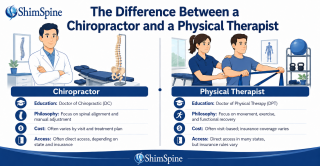
Treatments usually include rest for a few days ( not more than 2), medications, physical therapy, and/or chiropractic care. Usually, by 6 weeks, many patients are feeling better.
If there is still pain, before disk surgery, some physicians will offer steroid injections, either locally, or in the epidural space. There are plenty of articles on the efficacy of all these non-surgical treatments. For the most part, you should try at least 6 weeks of something before you consider disk surgery. The reason is that a large percentage of patients can improve without disk surgery.
But, if you are considering disk surgery, there are factors associated with better outcome.
1. The disk herniation causes reproducible leg pain, and certain leg movements cause a shooting sensation to the foot. In this scenario, the disk is definitely pressing on the nerve, and as you move your leg, you are pulling on the nerve, causing pain. This is what physician’s call a straight leg raise sign. It usually is associated with good leg pain relief by disk surgery.
2. The disk herniations are localized to one or two levels, with the pain findings corresponding to the distribution of the nerves at the disk level. Nerves typically provides electrical signals to corresponding area of skin for sensation, a certain reflex, and a certain pattern of muscle movement. This distribution of sensation is call the dermatomes.
To give an example, the S1 nerve, typically irritated by a L5-S1 disk herniation, will cause numbness to the outside of the foot, weakness of the gastronemius muscle, and weakness of the ankle reflex.
Patterns of leg pain, weakness and numbness that follow the distributions of the affected nerves predict good success with disk surgery.
3. There are patient factors that increase the likelihood of successful disk surgery. Fit individuals that was in good physical shape before the operation typically recover faster from disk surgery. Factors that increase the likelihood of complications or prolonged recovery includes obesity, smoking, diabetes and cardiac disease. I am not judging anyone. But, it is possible to control some of these factors. If you want a better success rate of disk surgery, consider these negative factors.
4. Proper attitude is important to disk surgery. While patients must be informed of the risks, once it is decided to have surgery, the attitude must be a positive one. A patient’s motivation to be active, and do the right exercises and rehabilitation is a very important factor for a sucessful disk surgery.
5. Adequate preparation of the home and family for disk surgery is necessary. You must plan ahead on who will care for your day to day needs immediately after disk surgery. Financial concerns must be handled. Families and friends must be willing to help in the post-operative few weeks after the disk surgery.
To summarize, the results of the properly selected patient for disk surgery is excellent. In fact, the SPORT (Spine Patient Outcomes Research Trial) data is very encouraging, and demonstrated that for an equally matched set of patients, the surgically treated patients had slightly better outcomes than the non-operatively treated patients. But the results must be closely scrutinized. The patients that chose surgery had failed non-surgical treatments as outlined above.
In my opinion, you should always try non-operative treatments if you can. But, if you fail, and have the good factors outlined above, the chances of a successful disk surgery is excellent.
Last modified: January 5, 2018